
Famous Chair Designs (and Their Designers)
Barcelona Chair
Designer: Ludwig Mies van der Rohe and Lilly Reich
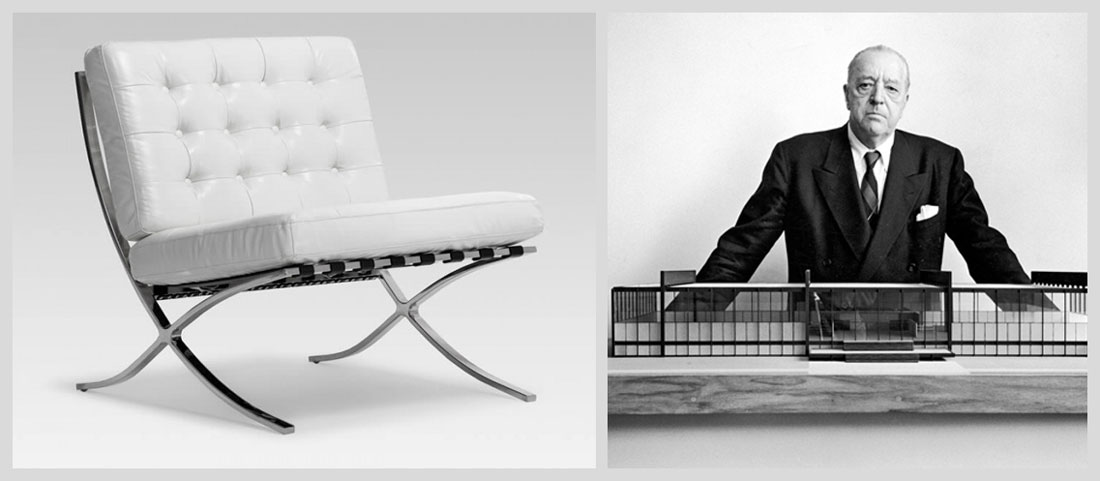
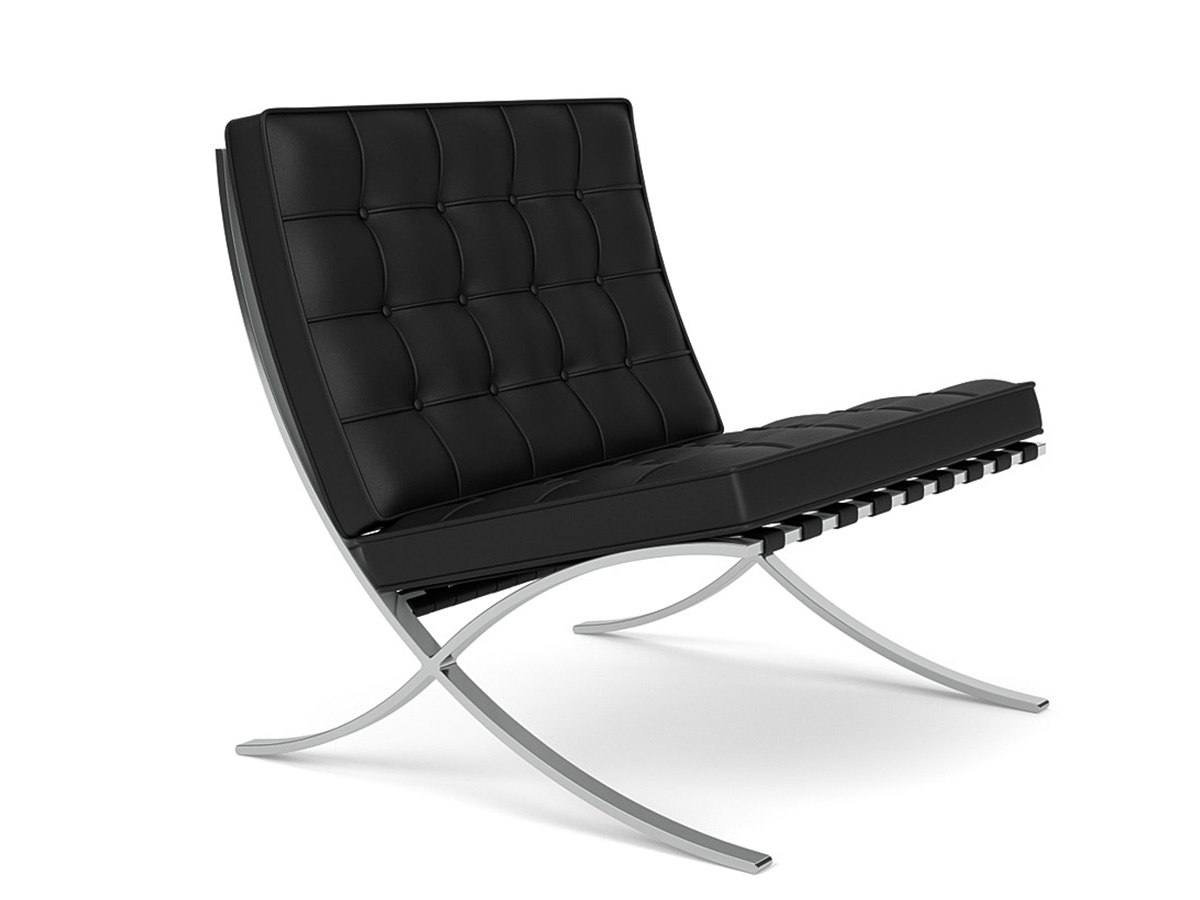
One of the most frequently used chairs in interior design, the Barcelona Chair resulted from a collaboration between the famous Bauhaus architect Ludwig Mies van der Rohe and his longtime partner-companion, architect, and designer Lilly Reich.
It is one of the most recognized objects of the last century and an icon of the modern movement. The Barcelona Chair displays a simple elegance that exemplifies Mies’ famous maxim – “less is more.”
The chair is supported on each side by two chrome-plated flat steel bars. Seen from the side, a single curve of the bar forming the chair’s back and front legs crosses the S-curve of the bar forming the seat and back legs, making an intersection of the two. The cantilevered seat and the back of the original chairs were upholstered in white kid leather with welt and button details.
Eames Lounge Chair
Designer: Charles and Ray Eames
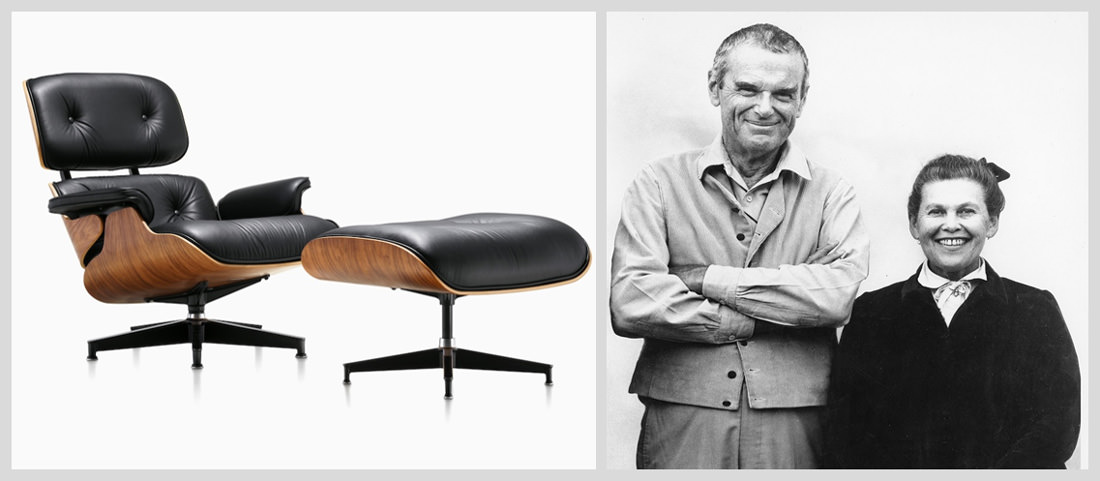
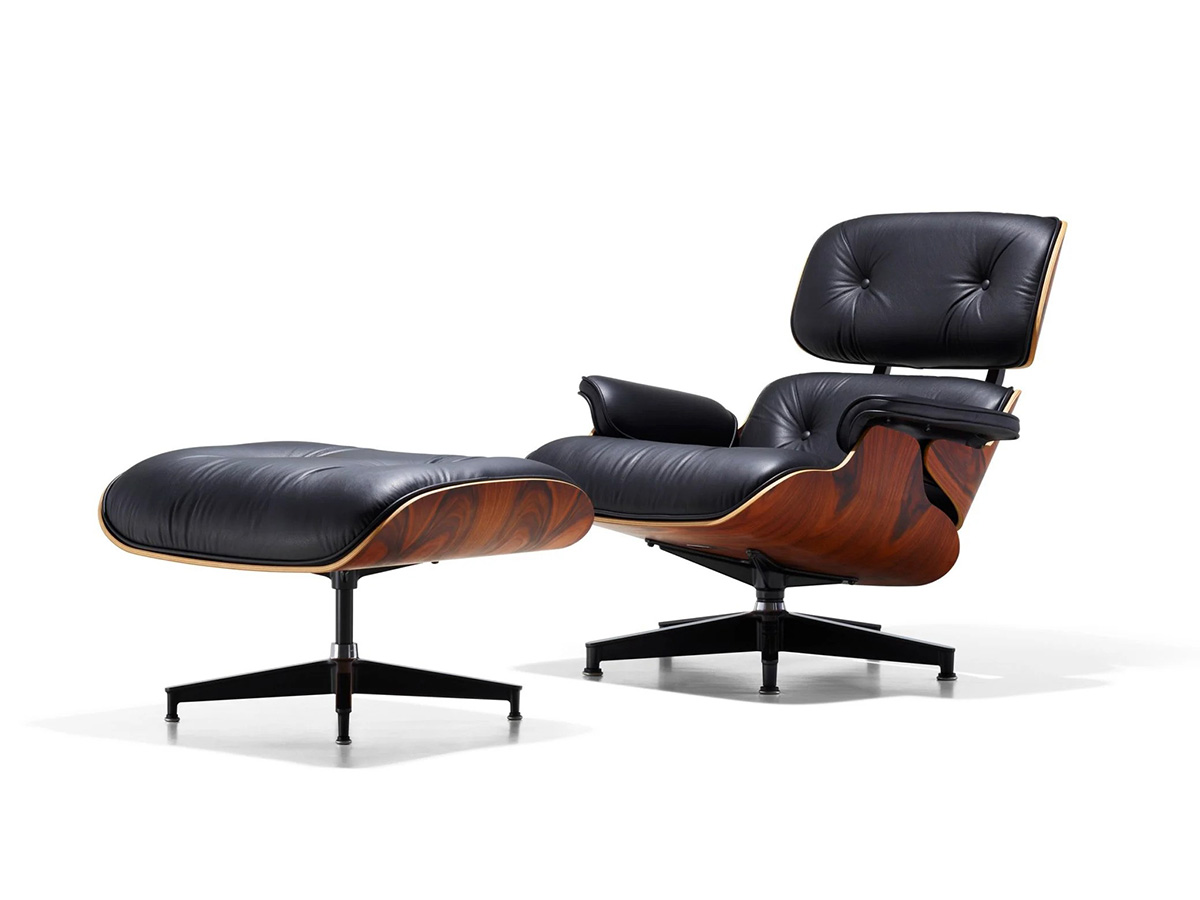
Ray and Charles Eames were among the most influential furniture designers of their time. In 1956, they designed a Lounge Chair + Ottoman, which was way ahead of its time.
The furniture combo was made of black leather and laminate plywood. This unique chair incorporates a two-directional design and is composed of three curved plywood shells draped in leather cushioning. All parts of the chair – headrest, backrest, and seat are identical in proportion and so is the ottoman. This was a pioneering design and the chair is popular to this day.
Egg Chair
Designer: Arne Jacobsen
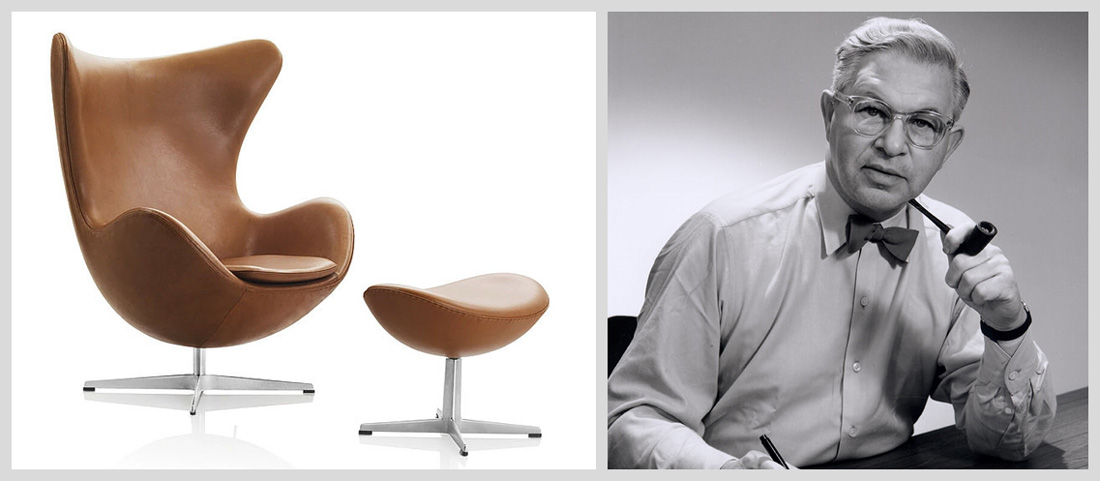
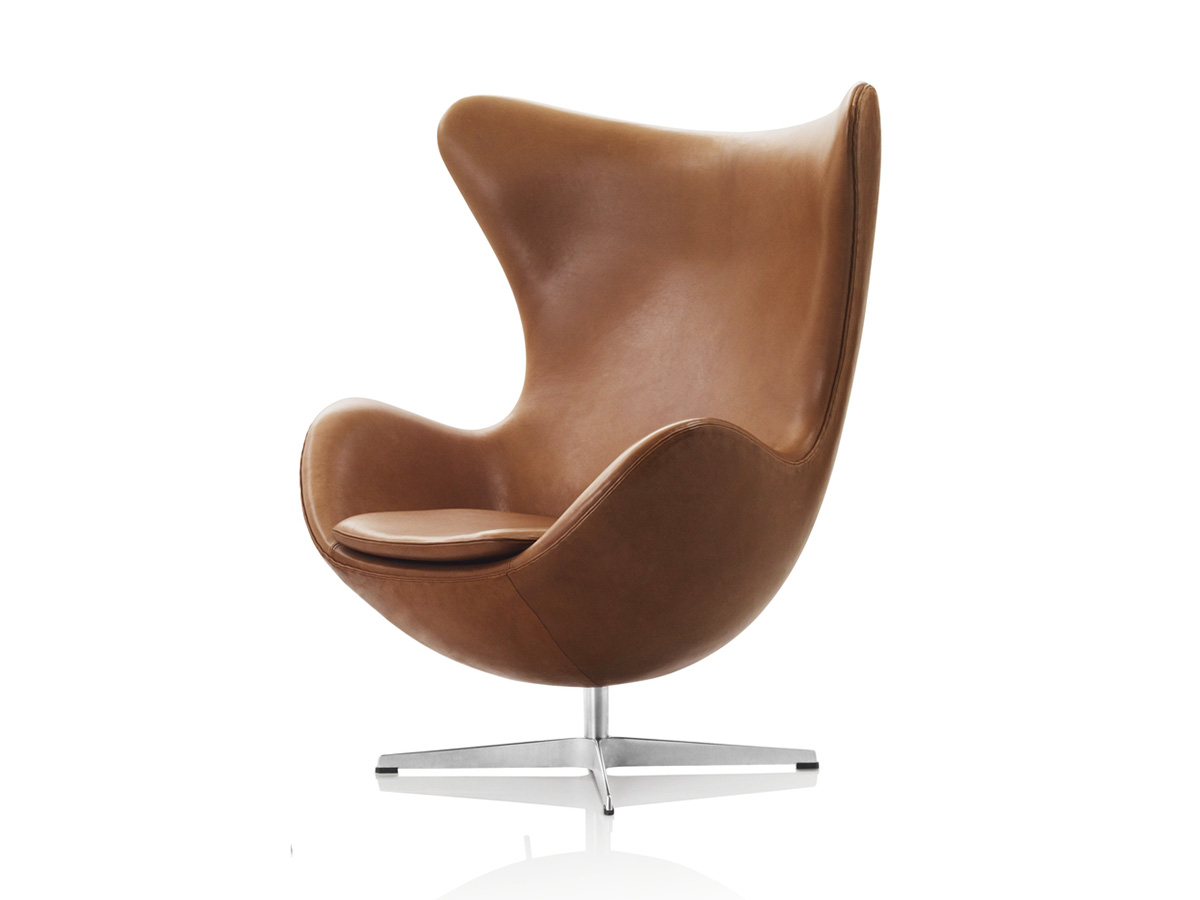
The Jacobsen’s Egg Chair first appeared in the reception areas of the Royal Hotel in Copenhagen. This chair was a culmination of a new technique that Jacobsen established with the Egg. Like a sculptor, Jacobsen first sculpted the Egg out of clay in his garage so he could perfect the shape. Then, he molded the Egg Chair out of a strong foam inner shell under the upholstery. It also includes a footrest to complement the sculptural armchair.
The result is an exclusively unique shape, through which the Egg Chair affords privacy in otherwise public spaces. A testament to the originality and timeless design. The first 50 editions of Egg Chair were made with a variety of colorful fabrics and different leather. It’s the fabric and leather finish coupled with sculptural curves that provide the Egg Chair with a classic appeal.
Louis Ghost Chair
Designer: Philippe Starck
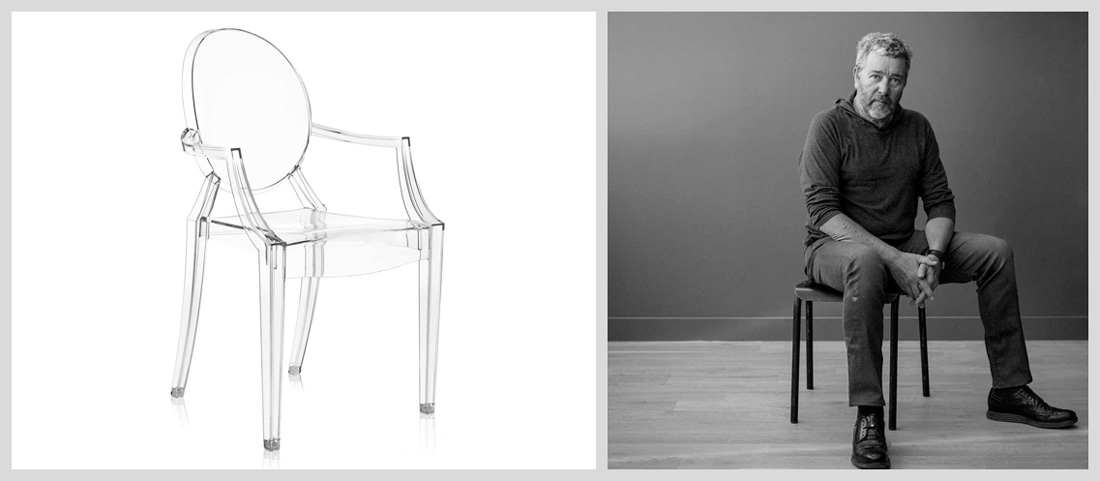
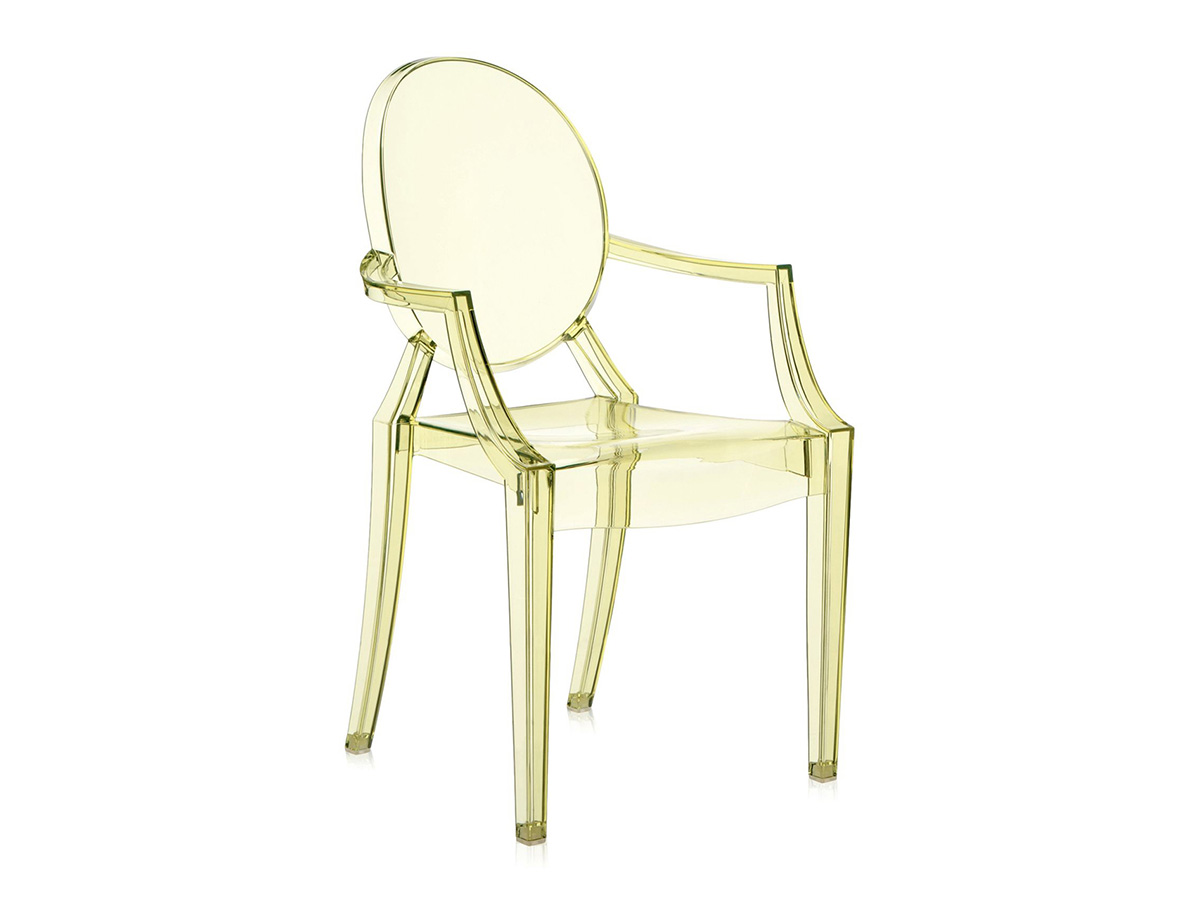
Named so aptly, Louis Ghost Chair is the essence of baroque revisited to dazzle, excite, and fascinate. It is a comfortable armchair in transparent and colored polycarbonate in the Louis XV style. This unique chair has great charm and considerable visual appeal and brings a touch of elegance and irony to any style of home or public area.
It is the most daring example in the world of injected polycarbonate in a single mold. Despite its fleeting and crystal-clear appearance, Louis Ghost is stable and durable, shock and weather-resistant, and can also be stacked six chairs high.
This elegant chair was at the height of European sophistication in the early 18th century, by the turn of the 21st century, this easily reproduced rococo item is nothing short of chintzy.
Womb Chair
Designer: Eero Saarinen
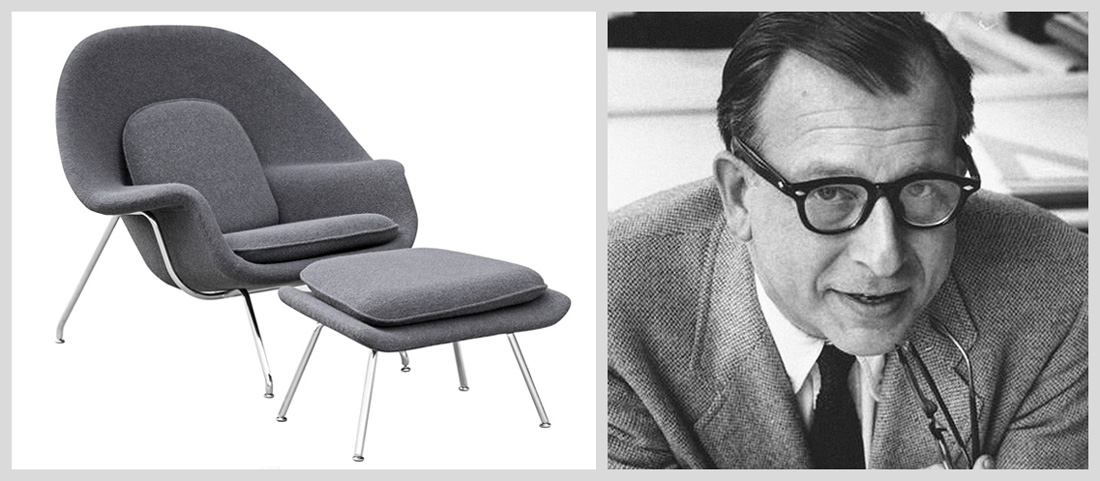
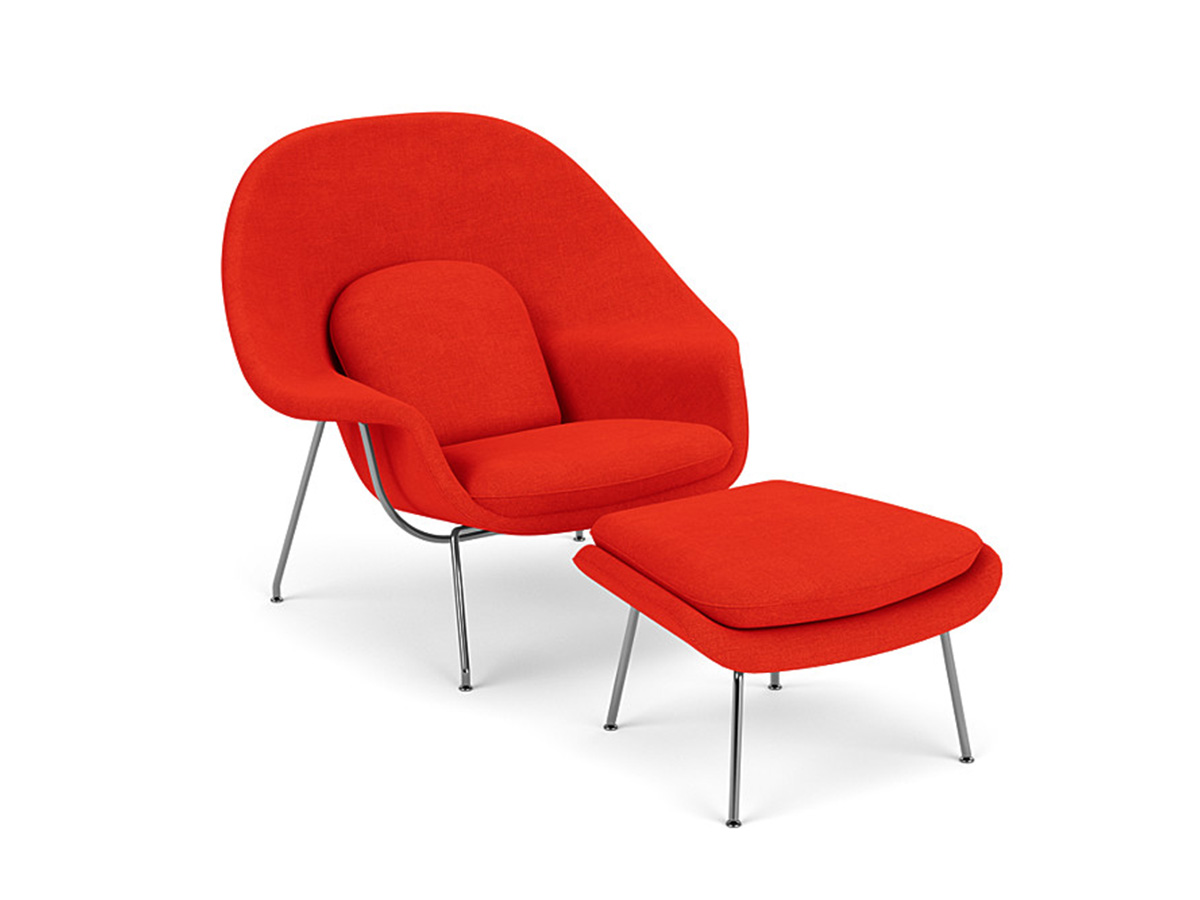
Regarded as one of the icons of post-war American modernism, the Womb Chair was designed in 1946 and has been manufactured by Knoll since 1948. This armchair is the first piece of mass-produced furniture in the history of design with an integrated seat shell made of fiber-reinforced plastic.
The expansive foam upholstered shell, which has two inset cushions for added comfort, is supported by a bent tubular steel frame. Saarinen developed the Womb Chair in close collaboration with a boat builder.
His motive was to design a chair that would allow a variety of sitting positions and create a special feeling of relaxation and coziness. The central design concept finds vivid expression in its name.
Papa Bear Chair
Designer: Hans J. Wegner
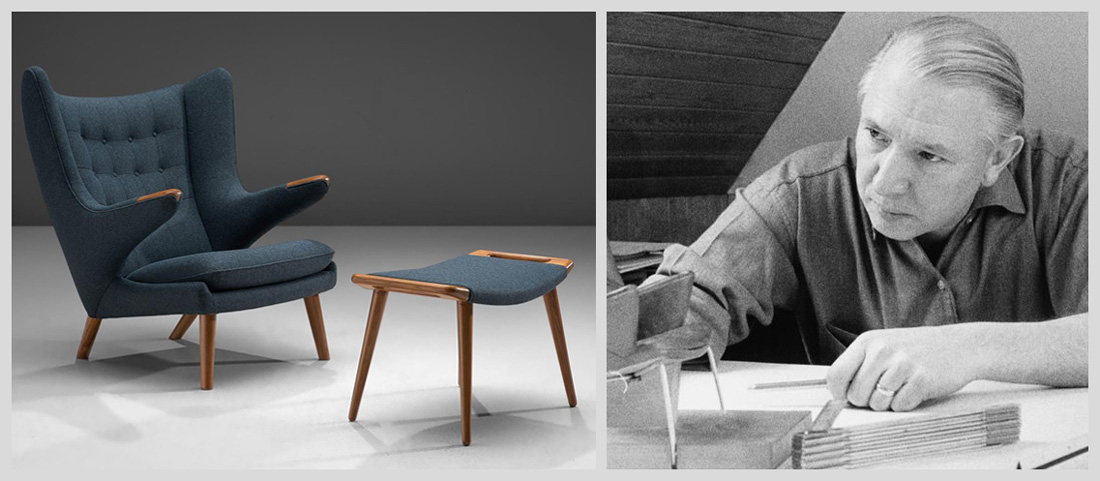
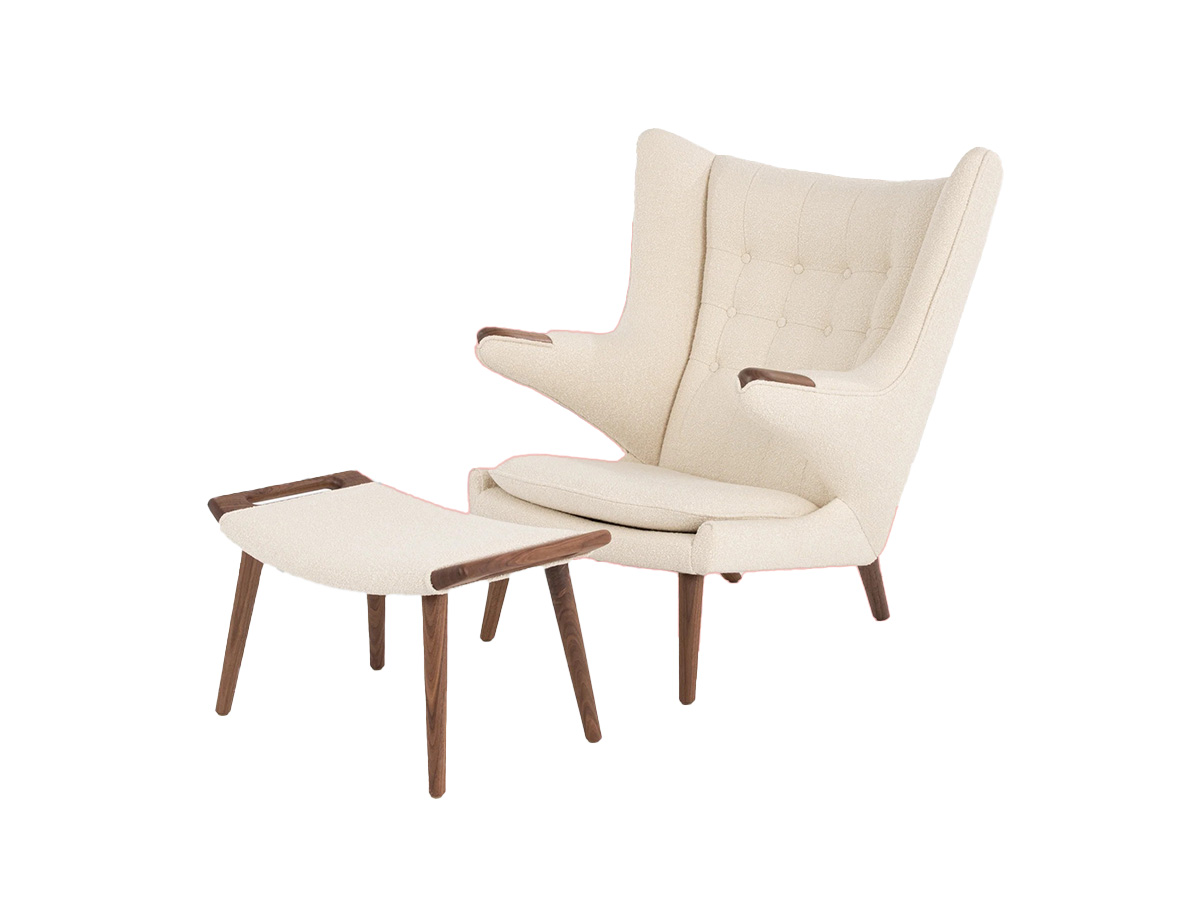
It remains one of Wegner’s most exclusive designs due to the intensive and exacting nature of its construction, carried out by skilled Danish craftsmen.
The expansive foam upholstered shell, which has two inset cushions for added comfort, is supported by a bent tubular steel frame. Saarinen developed the Womb Chair in close collaboration with a boat builder.
The solid wood frame is hand-joined to provide a base for the traditional upholstery. Except for the seat cushion, no foam is used in the upholstery. The back and armrests are stuffed with cotton, palm, and flax fiber, and horsehair. The addition of springs creates a durable and enormously comfortable easy chair, which embraces the sitter in a warm hug.
Metropolitan Chair
Designer: Jeffrey Bernett
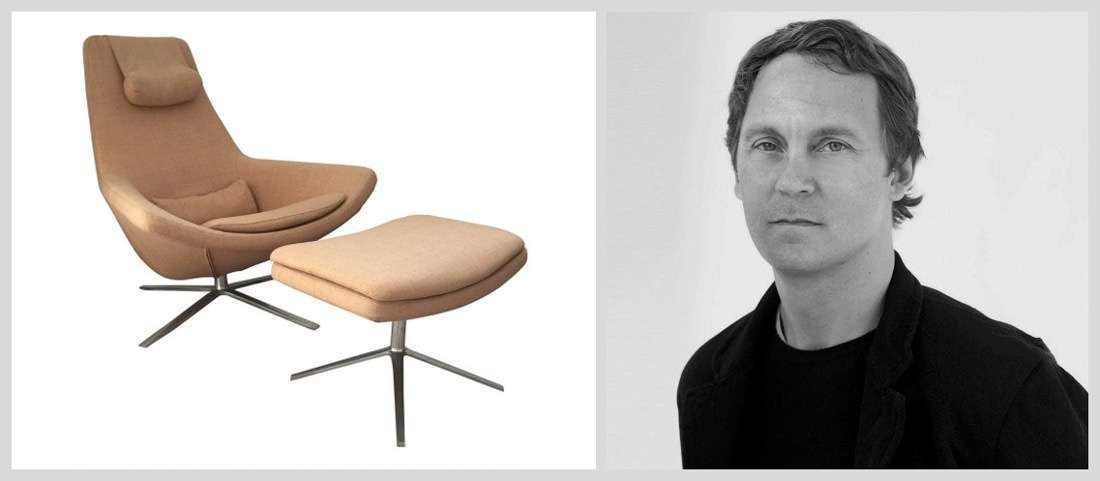
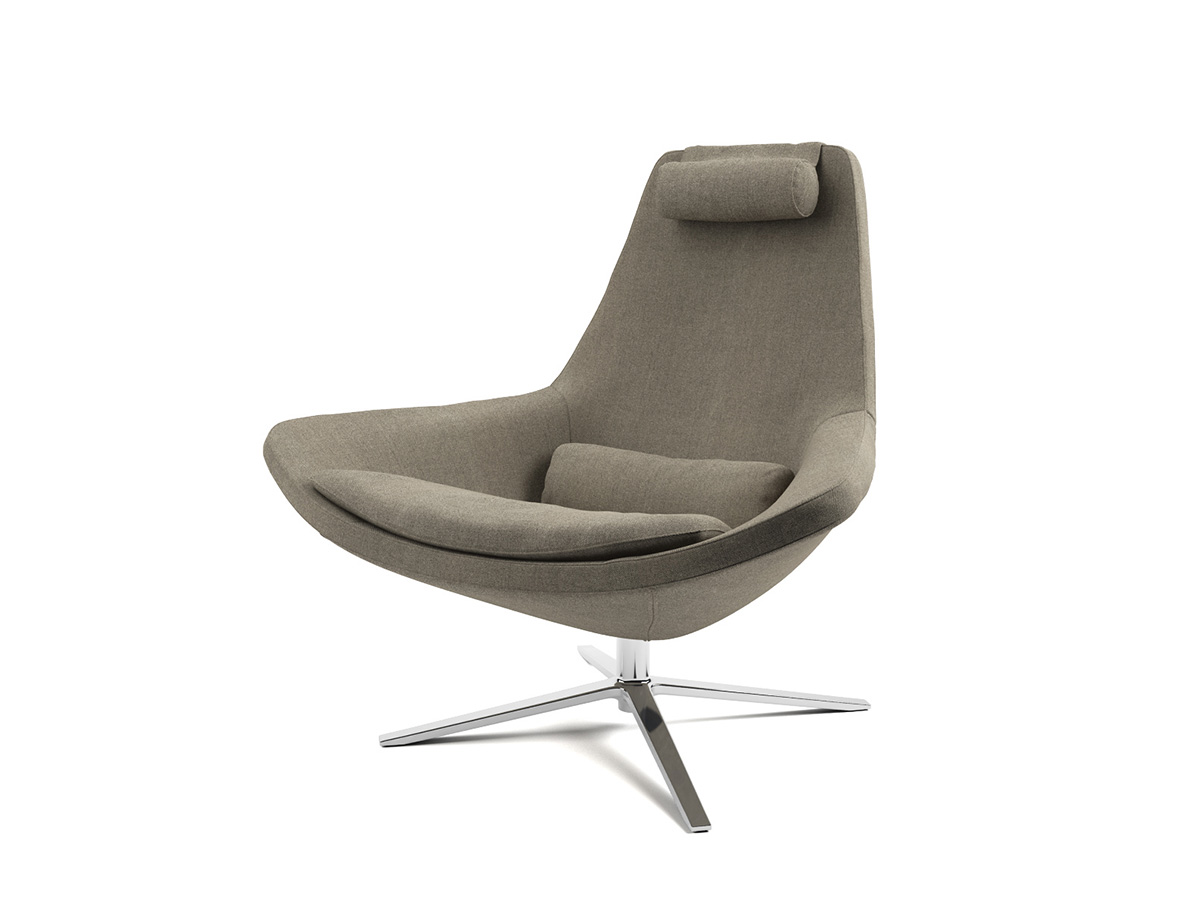
The Metropolitan Chair collection was created in 2003. It has an inviting design with a high back that offers the comfort one looks for in a chair. The high back is a great touch and the neck rest is held in place with magnets, making the chair adjustable for people of all heights. The swivel armchair is both sophisticated and casual and it has a very simple design.
There are two different structures, the former in plate steel both chromed and varnished, and the latter with a four-star brushed aluminum base. Malleable and easy to place alongside tables that differ in style, it allows to play with base and cover combinations: more serious in leather or colorful in fabric.
The matching ottoman is a perfect touch when you want some extra comfort and support. Moreover, the ottoman has a double function, it serves both as a comfortable seat or support for the legs and as an attractive addition to the home.
LC2 Poltrona Armchair
Designer: Le Corbusier, Pierre Jeanneret, and Charlotte Perriand
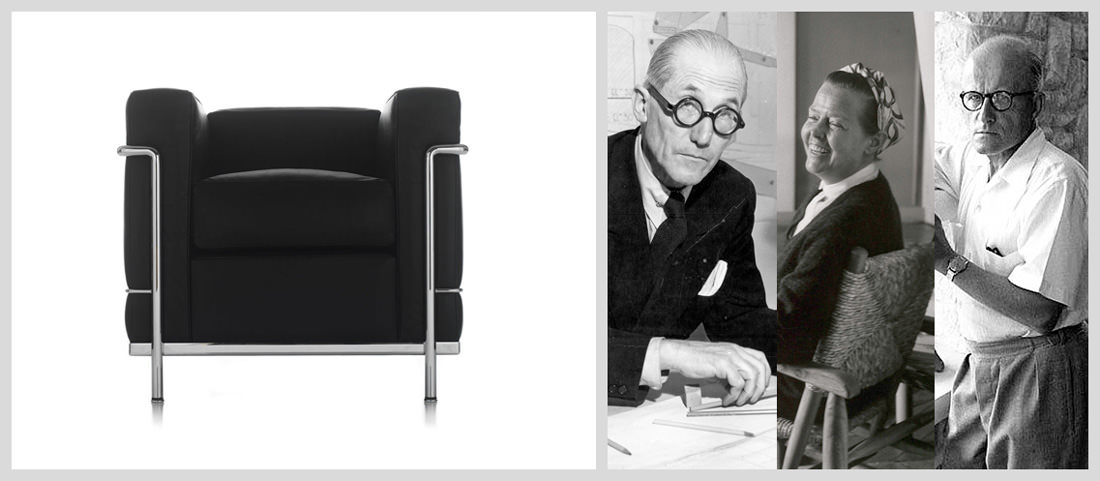
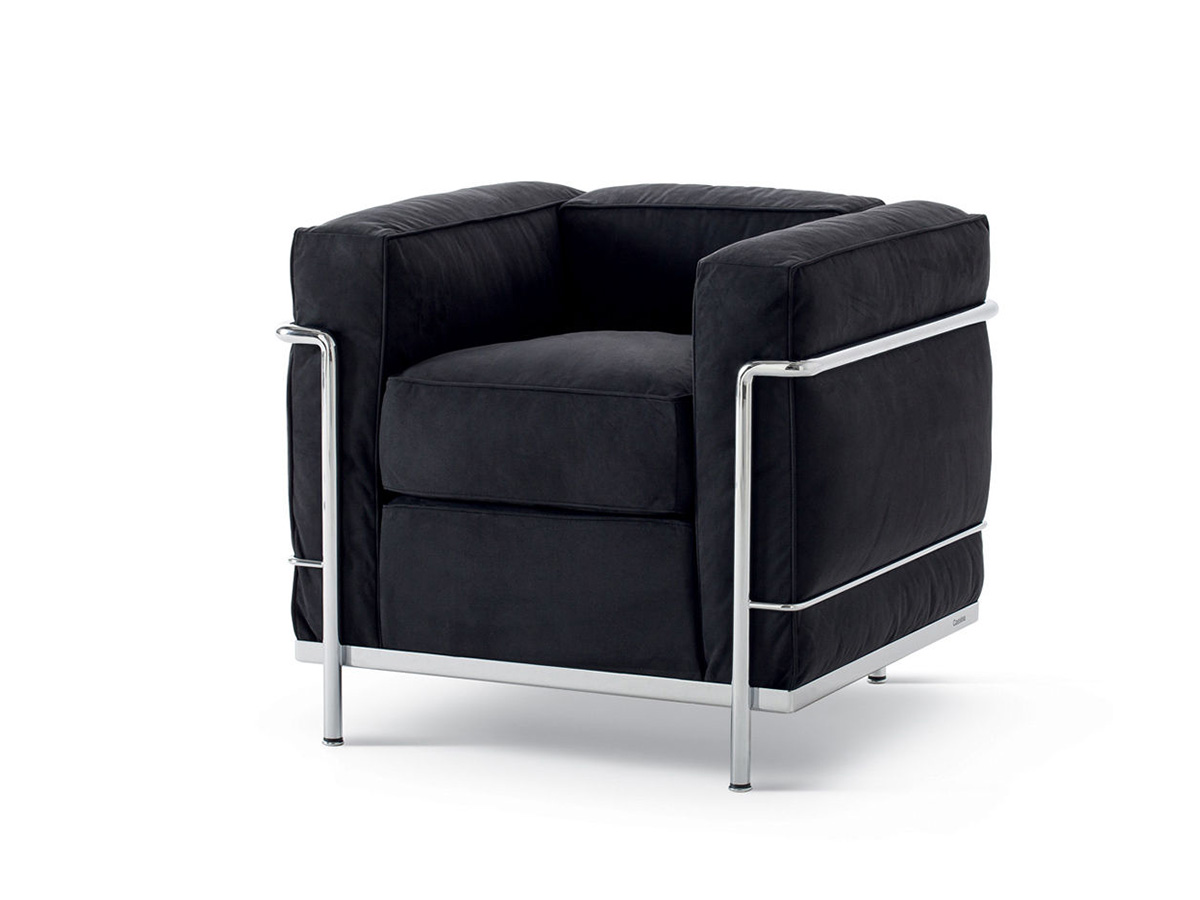
The unique LC2 armchair has played a role in the history of furniture design. Created to enhance conversation, this armchair was displayed at the Salon d’Automne in Paris in 1929, as an archetype of the modern conception of furniture, dubbed “domestic equipment” by its creators.
The division of metal frame from upholstery conveys the Rationalist approach, this same separation responds to the logic of industrial manufacture, while also conjuring the architectural relationship between the load-bearing structure and the walls.
The balance between form and function derives from an in-depth study of human posture, and the human body, and through the use of the modular – a system based on the typical measurements of the male body and a mathematical language informed by the proportions of universal harmony.
Swan Chair
Designer: Arne Jacobsen
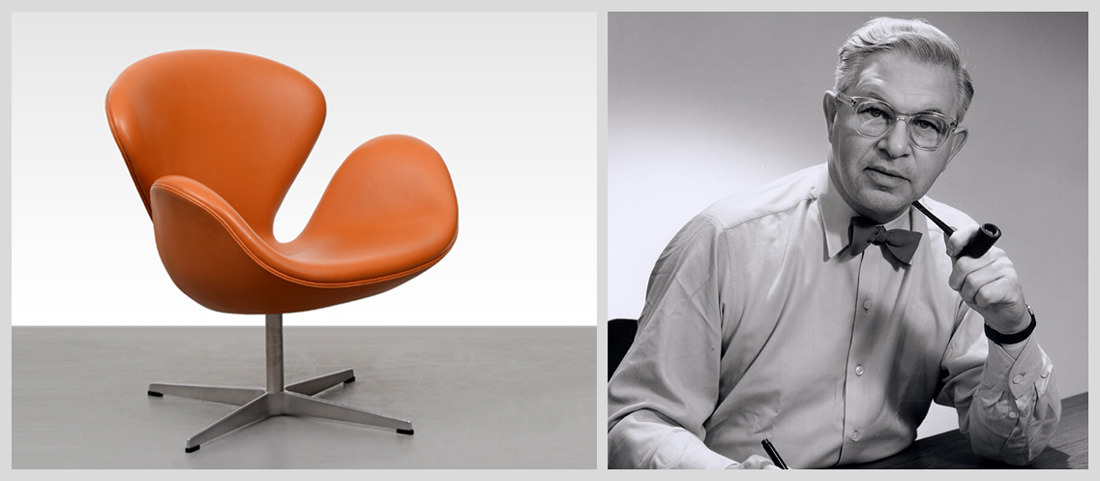
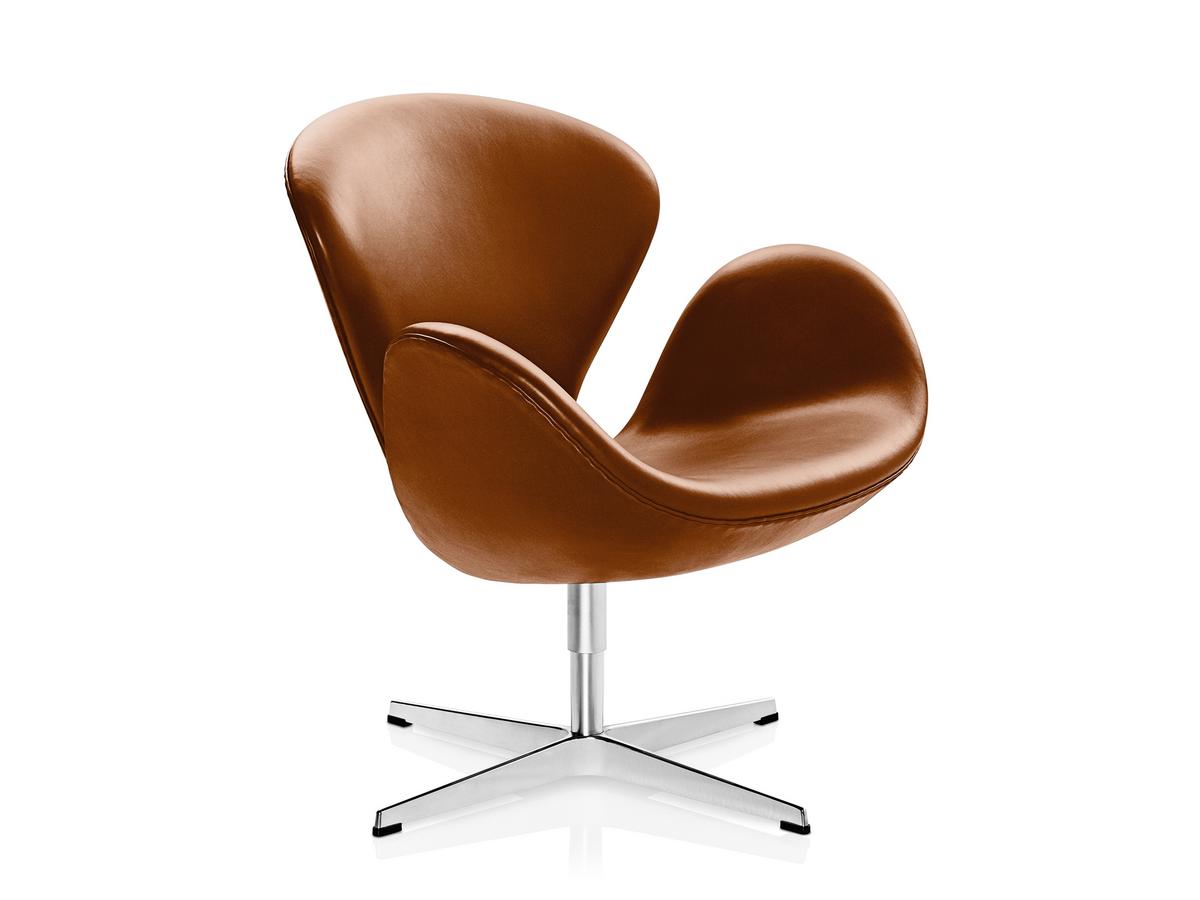
The Swan is a lounge chair designed by Arne Jacobsen in the Danish modern style in 1958 for the Radisson SAS Royal Hotel in Copenhagen. The chair has been in production at Fritz Hansen ever since. Back then, the Swan was a technologically innovative chair, with no straight lines but only curves.
The Swan is built on a molded shell of synthetic material resting on an aluminum star base, with a layer of cold foam and upholstery covering the shell. The Swan is available in a wide range of leather and fabric upholstery. The star-shaped aluminum base is mounted to a satin-polished steel pedestal.